
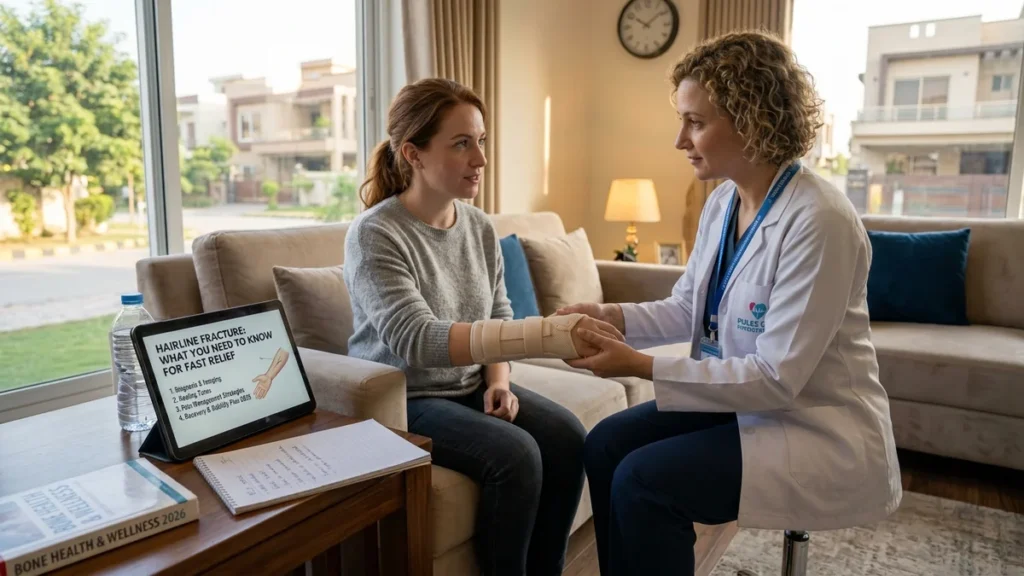
Hairline Fracture: What You Need To Know For Fast Relief
The first time I felt that dull ache in my shin after a long run, I told myself it was just muscle soreness. In my analysis of this common injury, I have found that countless people make the same mistake—ignoring the early warning signs of a hairline fracture until the pain becomes impossible to overlook. From my perspective, understanding what a hairline fracture is, how to recognize it, and how to treat it properly can mean the difference between a quick recovery and months of frustration.
Based on the available evidence, a hairline fracture is a small crack in a bone that can still cause meaningful pain and limit daily movement. Often called a stress fracture when it develops from repeated strain, this injury can also appear after a direct injury. Let us consider the full scope of what this injury entails and how you can protect yourself.
Executive Summary: What You Need to Know About Hairline Fractures
| Aspect | Key Information |
|---|---|
| What Is a Hairline Fracture | A small crack in a bone, often caused by repetitive stress or overuse |
| Common Locations | Lower extremities: tibia (shin), metatarsals (foot), femur, calcaneus (heel) |
| Primary Symptom | Localized pain that worsens with activity and improves with rest |
| Typical Healing Time | 6 to 8 weeks with proper rest and activity modification |
| Diagnosis | X-ray, MRI, or bone scan; hairline fractures may not appear on initial X-rays |
| Treatment | Rest, weight-bearing restriction, crutches or boot, sometimes surgery |
| Complications | Non-union (no healing) or malunion (healing incorrectly) if untreated |
| Prevention | Gradual training progression, proper footwear, adequate nutrition |
In my view, the most important takeaway is that a hairline fracture is not a minor injury to be ignored. While the crack itself may be small, the consequences of neglecting it can be significant. Early recognition and proper treatment are essential for a full recovery.
What Is a Hairline Fracture?
A hairline fracture is a very small crack in a bone. It is often called a stress fracture when it develops from repeated strain, but a similar fine crack can also appear after a direct injury. Even though the break is narrow, the symptoms can be quite real, especially when walking, gripping, running, or bearing weight.
People sometimes assume that a hairline fracture is “minor” because the bone is not fully broken apart. In practice, the main issue is that the bone needs time and support to heal properly. If activity continues without care, the crack can enlarge and recovery may take longer.
Think of your bones like a highway that needs constant maintenance. When you run, you are creating tiny cracks from repetitive impact. Normally your bones adapt by repairing and strengthening themselves overnight. But if the damage outpaces your body’s ability to heal, the bone begins to break down faster than it can rebuild, leading to a stress fracture.
Stress Fractures vs. Hairline Fractures
A stress fracture, often called a hairline fracture, is a tiny crack in the bone caused by repetitive stress rather than a single traumatic event. Unlike a broken bone from a fall, stress fractures develop gradually. They are part of a group of injuries called overuse injuries, which also includes tendinitis and bursitis.
The distinction is important because the treatment approach differs. While a traumatic fracture requires immediate immobilization and often surgery, a hairline fracture typically responds well to rest and activity modification.
Common Causes of Hairline Fractures
Hairline fractures usually happen when the bone is exposed to more force than it can comfortably absorb. Repetitive loading is a common cause, especially in sports or jobs that involve running, jumping, marching, dancing, or prolonged standing. A single accident, such as a fall or awkward landing, can also create a fine crack.
Some bones are more vulnerable when they are under repeated stress and not given enough time to recover. Changes in training routine, worn-out shoes, hard surfaces, or poor movement mechanics can all contribute. Bone health matters too; lower bone density, nutritional deficiencies, and certain medical conditions can make small fractures more likely.
Risk Factors
| Risk Factor Type | Specific Factors |
|---|---|
| Intrinsic Factors | Low bone density, muscle weakness, abnormal alignment, hormonal imbalances, nutritional deficiencies |
| Extrinsic Factors | Training errors, hard or uneven surfaces, worn-out footwear |
| Activity-Related | Sudden increase in running distance, workout intensity, or training frequency |
| Biomechanical | Flat feet, high arches, leg length differences, or abnormal gait |
| Nutritional | Low energy availability, vitamin D and calcium deficiencies |
Risk can be higher in people who suddenly increase activity, return to sport too quickly, or ignore pain for several days. Athletes are not the only group affected. Travelers, workers, and active adults who walk long distances or carry heavy loads may also develop this injury.
Recognizing the Symptoms
Early Warning Signs
The most common pattern is localized pain that worsens with movement or pressure and eases with rest. Depending on where the fracture is, a person may notice limping, tenderness to touch, swelling, or difficulty using the affected limb in a normal way.
Symptoms can build gradually, especially with stress fractures. A runner may feel a dull ache in the foot or shin that appears only during exercise at first, then lingers after activity. Someone with a hand or rib fracture may notice pain when lifting, twisting, coughing, or pressing on the area.
Key Symptoms to Watch For
- Persistent pain in one spot
- Swelling or mild bruising
- Tenderness over the bone
- Pain with weight-bearing or repetitive use
- Reduced range of motion or limping
Not every hairline fracture causes dramatic swelling or obvious deformity. That is one reason these injuries can be overlooked early, particularly when the person is still able to walk or continue daily tasks.
Pain Patterns
As one orthopedic surgeon explains, “The typical story is that somebody started long-distance running, or went back to football after summer break, or changed their running shoes so that their arch is supported differently.” Typically, people with a hairline fracture won’t have pain until they’re walking or running on it. The pain will appear during exercise; for example, they can run two miles with no problem but as soon as they get to two and a half miles, they experience pain. The amount of time they can run without pain decreases as the fracture worsens.
This progressive nature is a hallmark of hairline fractures and a key reason to seek medical attention early.
When to Seek Medical Attention
If you are feeling a lot of pain in just one spot anytime you walk a certain distance, it is time to get an X-ray from your primary care physician or an orthopedic surgeon. Delaying medical evaluation can allow the injury to worsen, increasing the risk of a complete fracture and a longer recovery period.
How Hairline Fractures Are Diagnosed
A healthcare professional can often diagnose a fracture based on symptoms and physical examination. An X-ray usually will confirm the fracture and show where it is. However, hairline fractures often don’t show up on initial X-rays.
As one medical expert notes, if you have a hairline fracture, it won’t show up on an x-ray for about two weeks until it actually begins to heal. This is because the fracture line becomes more visible as the necrotic material is removed, which is why some hairline fractures are not evident on x-ray until days after the initial injury.
If your X-ray doesn’t show a fracture but you still have pain, your healthcare professional might order additional imaging tests. An MRI or bone scan can look for a hairline fracture. “If we have reason to suspect one and we’re not seeing it on an X-ray, we’ll order a CT scan or an MRI to confirm,” explains Dr. Robert Tisherman of Duke Orthopaedic Surgery.
Imaging Options
| Imaging Test | What It Shows | When Used |
|---|---|---|
| X-ray | Visible fractures; may miss hairline fractures initially | First-line imaging |
| MRI | Soft tissue and bone details; can detect hairline fractures | When X-ray is negative but suspicion remains |
| CT Scan | Detailed bone images | For complex cases or surgical planning |
| Bone Scan | Areas of increased bone activity | When other imaging is inconclusive |
Treatment Options for Hairline Fractures
Conservative Treatment
The typical way we manage hairline fractures is by taking the weight off of them, usually with crutches, with or without a boot, depending on where the fracture is. The principles of conservative treatment are rest from the aggravating activity and removal or modification of the risk factors, usually for at least 4-8 weeks, but may be as long as 12 weeks.
As Dr. Robert Tisherman explains: “We’ll have you on crutches generally for anywhere from two to six weeks to let the bone heal, though sometimes it can take three to four months to completely resolve.”
Key components of conservative treatment include:
- Rest: Avoiding the activity that caused the fracture
- Immobilization: Using a boot, cast, or crutches to reduce weight-bearing
- Ice: Applying ice packs to help reduce swelling and pain
- Pain Management: Over-the-counter pain relievers as recommended by your doctor
- Nutrition: Vitamin D and calcium to support bone health and promote healing
Advanced Treatment
If the person really cannot take time off, for example, if they are a professional athlete, or if the fracture just isn’t healing, we may perform surgery or use other therapies such as medications which can stimulate bone healing or external ultrasound devices that help to speed up the healing.
Surgery may involve:
- Internal repair using screws or plates
- Bone grafting in severe cases
- Insertion of a titanium rod for certain fractures
High-Risk vs. Low-Risk Fractures
Not all hairline fractures heal the same way. Low-risk fractures (most shin and foot bones) heal with rest in 6 to 8 weeks. High-risk fractures are different. They are slower to heal, often requiring non-weight-bearing or surgery. The key difference lies in healing potential and complication risk, with high-risk sites requiring closer medical attention.
As one orthopedic surgeon notes, “Low-risk fractures (most shin and foot bones) heal with rest in 6 to 8 weeks. High-risk fractures are different. They are slower to heal, often requiring non-weight-bearing or surgery.”
Recovery Timeline and Healing Stages
Typical Healing Timeline
Most low-risk stress fractures heal in 6 to 8 weeks with proper rest and activity modification. However, complete recovery can sometimes take longer.
| Time Period | Expected Progress |
|---|---|
| 0-2 Weeks | Rest, immobilization, no weight-bearing |
| 2-4 Weeks | Gradual introduction of weight-bearing as pain allows |
| 4-6 Weeks | Increased activity, physical therapy |
| 6-8 Weeks | Return to normal activities, gradual return to sports |
| 8+ Weeks | Complete healing for most fractures; some may take 3-4 months |
Factors Affecting Healing Time
- Location of fracture: High-risk areas take longer
- Age: Younger people generally heal faster
- Overall health: Nutrition, bone density, and medical conditions
- Compliance with treatment: Following rest and activity restrictions
- Smoking: Delays bone healing
- Medications: Some drugs can affect bone healing
When to Return to Activity
A gradual, guided return to activity helps lower the risk of repeat injury. It is crucial to alter your activities during this period because a hairline fracture can often take six to eight weeks to fully heal.
Most people will recover from their hairline fracture within 4-8 weeks, but it is important to remember that you will want to ease back into stressful activity and give the affected area plenty of time to recover after activity.
Potential Complications
Even a minor hairline fracture can become worse without treatment. When a fracture goes untreated, it can lead to non-union (no healing) or malunion (healing in an incorrect position).
Non-Union
Non-union occurs when the bone fails to heal, resulting in chronic instability and discomfort. If a bone fracture is untreated, either a non-union or a delayed union will occur. The bone does not recover in the latter situation, which means that it will stay damaged. Swelling, tenderness, and discomfort will begin to escalate over time as a consequence.
Delayed healing or failure to heal (non-unions) occur in 5% to 10% of cases.
Complete Fracture
Delayed treatment of a hairline fracture can result in a complete break. Ignoring symptoms from a hairline fracture can lead to a more serious fracture. Stress and hairline fractures can result in a complete fracture if they aren’t treated.
Infection
Infection around a fracture not only compromises healing but may also lead to chronic infection of the bone known as osteomyelitis.
Prevention Strategies
Training Modifications
- Gradual progression: Increase training intensity and duration slowly
- Cross-training: Incorporate low-impact activities to reduce repetitive stress
- Proper footwear: Replace worn-out shoes regularly
- Surface selection: Avoid hard or uneven surfaces when possible
- Rest days: Allow adequate recovery time between workouts
Nutrition for Bone Health
- Calcium: Essential for bone formation and repair
- Vitamin D: Improves calcium absorption and is essential for bone formation
- Vitamin C: Supports collagen formation and bone health
- Protein: Supports bone structure and repair
- Phosphorus: Present in dairy products, meats, beans, nuts, lentils, and cereals
- B vitamins: Folate, B6, and B12 support overall health
Listen to Your Body
The most important prevention strategy is to pay attention to what your body is telling you. If you experience pain during activity, it is a warning sign. Rest and seek medical evaluation before the injury worsens.
Conclusion
Throughout this exploration of hairline fractures, I have found that these tiny cracks in our bones are far more significant than their size suggests. The practical lesson is that early recognition and proper treatment are essential for a full recovery. Ignoring the warning signs can lead to serious complications, including complete fractures and prolonged healing times.
I believe the central insight is that a hairline fracture is not a minor injury to be dismissed. It requires rest, patience, and often professional medical guidance. The good news is that with proper care, most people recover fully and can return to their normal activities within a few months.
From my perspective, the most important action you can take is to listen to your body. If you experience persistent pain in one spot that worsens with activity, seek medical attention promptly. For those interested in exploring more about bone health, injury prevention, and recovery, resources like those available at WordPlay-2018 can provide additional insights.
Frequently Asked Questions
What is a hairline fracture?
A hairline fracture is a small crack in a bone, also known as a stress fracture when caused by repetitive strain. It can cause significant pain and limit movement, especially during weight-bearing activities.
How long does a hairline fracture take to heal?
Most hairline fractures heal within 6 to 8 weeks with proper rest and activity modification. Some fractures may take longer, especially high-risk fractures or those in areas with poor blood supply.
What are the symptoms of a hairline fracture?
The most common symptom is localized pain that worsens with activity and improves with rest. Other symptoms include swelling, tenderness over the bone, and reduced range of motion.
Can a hairline fracture heal on its own?
A hairline fracture can heal on its own with proper rest and activity modification. However, ignoring the injury can lead to worsening of the crack and potential complications.
How is a hairline fracture diagnosed?
Hairline fractures are diagnosed through physical examination and imaging tests. X-rays are often the first step, but they may not show hairline fractures initially. MRI, CT scans, or bone scans may be needed for confirmation.
What is the difference between a hairline fracture and a stress fracture?
A stress fracture, often called a hairline fracture, is a tiny crack in the bone caused by repetitive stress rather than a single traumatic event. The terms are often used interchangeably.
Can you walk on a hairline fracture?
Walking on a hairline fracture is not recommended. Weight-bearing can worsen the crack and delay healing. Crutches or a boot are often used to take weight off the affected area.
What are the risk factors for hairline fractures?
Risk factors include sudden increases in activity, poor footwear, low bone density, nutritional deficiencies, and biomechanical issues such as flat feet or abnormal gait.
Sources
- Acıbadem Health Point. “Hairline Fracture: Symptoms, Causes and Treatment.” August 2026.
- SGVP Holistic Hospital. “Stress (Hairline) Fracture: Symptoms, Causes, Diagnosis & Treatment.” August 2026.
- NGHS. “Stress fractures: A surgeon’s perspective from the field to the operating room.” January 2026.
- Duke Health. “Hairline Fractures: What You Need to Know.” August 2025.
- Duke Orthopaedic Surgery. “From Symptoms to Recovery: Dr. Robert Tisherman Guides Patients Through Hairline Fractures.” October 2025.
- Dr. Ashish Suryawanshi. “Why You Should Not Neglect That Fracture: Long-Term Consequences of Delayed Treatment.” June 2025.
- Mayo Clinic. “Hip fracture – Diagnosis & treatment.” September 2025.
- Cleveland Clinic. “How Do You Know You Have a Stress Fracture?” 2017.
Disclaimer
This article provides general information about hairline fractures for informational and educational purposes. The analysis is based on available public information and may not reflect the most current medical guidelines or practices. This article does not constitute medical advice, and readers should consult qualified healthcare professionals for guidance on specific medical concerns. The views expressed are those of the author based on available evidence. Always seek the advice of your physician or other qualified health provider with any questions you may have regarding a medical condition.

Faizullah Baig
Entertainment & Digital Culture Writer at WordPlay2018
Faizullah Baig is a writer at WordPlay2018 covering entertainment, celebrity news, movies, television, pop culture, and digital trends.
His work focuses on explaining current entertainment stories in a clear and reader-friendly way, with attention to the details behind trending headlines.
Areas of Coverage
Faizullah primarily covers:
Celebrity news and profiles
Movies and television
Entertainment industry developments
Celebrity relationships and public appearances
Trending pop-culture stories
Digital culture and online trends
Editorial Approach
Faizullah aims to distinguish confirmed information from reports, estimates, and speculation. For developing stories, information may be updated as additional reliable details become available.
Articles published under his name are intended to provide readers with useful context rather than simply repeat a headline or social-media claim.
Contact
For corrections, questions, or feedback about an article published under Faizullah Baig’s name, please contact:
Publication: WordPlay2018
Role: Entertainment & Digital Culture Writer