
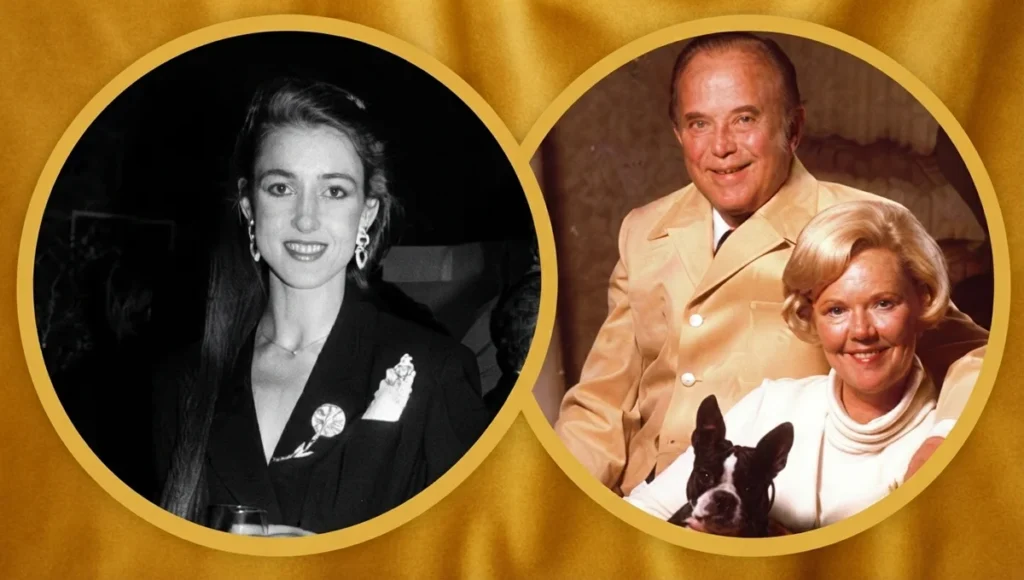
Ask most people to name Ray Kroc’s wives, and they will mention Joan Kroc, the philanthropist who gave away much of the McDonald’s fortune. Some will remember Ethel Fleming, his high school sweetheart. Almost nobody remembers the woman in between: Jane Dobbins Green.
Her name appears in search results constantly, yet reliable information about her stays thin. In addition, many articles copy each other and disagree on basic dates. This guide therefore separates what sources document, what they merely report, and what remains unknown. By the end, you will see the real shape of her story.
Jane Dobbins Green at a Glance
| Detail | What sources say | Confidence |
|---|---|---|
| Known for | Second wife of Ray Kroc | High |
| Marriage date | February 23, 1963 | Medium |
| Marriage ended | 1968 (one database says 1969) | Medium |
| Children with Kroc | None | Medium-high |
| Birth | Walla Walla, Washington; one source says November 22, 1911 | Low-medium |
| Later husband | Paul D. Whitney | Low |
| Death | Reportedly August 7, 2000, in Los Angeles | Low |
Who Was Jane Dobbins Green?
Most people know Jane Dobbins Green as the second wife of Ray Kroc, the businessman who turned McDonald’s into a global fast-food empire. She never held an executive role, never owned a franchise, and never sought public attention. Her fame comes entirely from one marriage.
Still, that marriage matters. She stood beside Kroc after his first marriage of almost four decades ended and before the third marriage that shaped his final years.
Early Life and Background
Several biographical write-ups place her birth in Walla Walla, Washington. One gives the date as November 22, 1911, and names her parents as Myrtle Duncan Frechette and Warren David Dobbins. Another lists her full name as Jane Elizabeth Dobbins. Because of that, readers generally assume Dobbins was her maiden name and Green came from an earlier marriage. However, no reliable source names that first husband.
If the 1911 date is correct, she was about 51 when she married Kroc, who was 60. That detail corrects the common image of a much younger second wife.
Although their family histories are different, readers interested in the private lives of people connected to well-known public figures may also want to read about Frances Beatrix Spade, Kate Spade’s daughter, and what is publicly known about her life today.
Did She Really Work for John Wayne?
Here the sources split. One widely shared account says she worked as a secretary for actor John Wayne, but the same account says “allegedly.” Another claims she met Kroc in 1957 while she played the organ at a restaurant. A third admits that little verified information about her career exists.
In short, the John Wayne story appears often but rarely with evidence. Until a biography, interview, or newspaper record confirms it, treat it as a claim and not a fact.
Ray Kroc’s World in the Early 1960s
To understand why this marriage happened when it did, look at what Kroc was doing professionally.
From Milkshake Machines to McDonald’s
Kroc was born on October 5, 1902, in Oak Park, Illinois. He spent his early career selling paper cups and milkshake machines. In 1954, he visited the McDonald brothers to learn why they ordered so many machines, and that trip led to a franchise deal. Soon after, he pushed for faster growth than the brothers wanted, so tension built between them.
The Fight for the McDonald’s Name
Kroc also cared about branding. The brothers resisted his changes to the original blueprint, and they never sent formal letters that allowed those changes. Meanwhile, Kroc felt that nobody would want to eat at a chain called “Kroc’s,” so he grew determined to win the rights to the McDonald’s name. Historians also credit him with several innovations in the franchise model. That mix of ambition and impatience shaped the man Jane married.
The 1961 Turning Point
The big change came in 1961, when Kroc bought out the McDonald brothers’ $2.7 million stake. As a result, he controlled the company he had spent years expanding. Jane therefore stepped into the life of a 60-year-old founder who had just won full control of a fast-growing business.
Jane Dobbins Green’s Marriage to Ray Kroc
The Wedding Date
A film and TV database lists the marriage as starting on February 23, 1963, and several biography sites repeat that date. Because multiple sources agree, this is the most reliable detail in her story.
How Did They Meet?
The courtship is murkier. One account says the couple married about two weeks after meeting. Another says they met in 1957 at a restaurant. Both claims can only work if they met, lost touch, and reconnected. Since no primary source settles the question, a careful writer should say the timeline is disputed.
Life as Mrs. Kroc, 1963 to 1968
This period is the thinnest part of her record. Jane gave no well-known interviews and left no widely available memoir. Consequently, any article that describes their daily life in vivid detail deserves suspicion.
We can, however, place the marriage against the company’s story. During these five years, McDonald’s expanded aggressively and Kroc kept working at full speed. One retelling says his dedication to the business strained his marriages. That observation describes Kroc in general, so it does not prove anything specific about Jane’s experience.
Why Did the Marriage End?
What the Record Shows
Kroc’s first two marriages, to Ethel Fleming and to Jane Dobbins Green, both ended in divorce. Most sources date the second divorce to 1968, although one database says 1969. That small mismatch shows how easily errors spread online.
What Nobody Has Proven
Some articles offer neat explanations, such as work pressure or personal differences. Yet none of them provides evidence. The honest answer is that the marriage lasted about five years, ended in divorce, and has no reliably documented cause.
Ray Kroc’s Three Marriages Compared
Much of the confusion around this topic comes from mixing up the three wives. This table lines them up.
| Ethel Fleming | Jane Dobbins Green | Joan Kroc | |
|---|---|---|---|
| Order | First wife | Second wife | Third wife |
| Marriage began | Early 1920s | February 1963 | March 1969 |
| Marriage ended | Divorce, 1961 | Divorce, 1968 | Kroc’s death, 1984 |
| Children with Kroc | A daughter | None | None |
| Public profile | Limited | Very low | High |
Ethel Fleming, the First Wife
Ethel was Kroc’s high school sweetheart and the mother of his daughter, Marilyn. Sources disagree on the start date, since Biography.com says 1922 while one film database says June 1923. Accounts also say she disliked his milkshake-machine business and his obsession with McDonald’s. Searchers who type “Marilyn Kroc Barg” are looking for this daughter.
Joan Kroc, the Third Wife
Joan previously married Rowland Smith, one of Kroc’s franchisees. She and Kroc wed on March 8, 1969, and they stayed together until he died. Afterward, she became one of America’s best-known philanthropists. She founded peace and justice institutes at the University of San Diego and the University of Notre Dame, and she also supported a homeless services center and an animal shelter in San Diego. Lisa Napoli’s 2016 book, Ray & Joan, tells their story in depth.
Joan’s life is well documented because she stayed public for decades. Jane, by contrast, left the spotlight quickly. That imbalance explains why Jane looks like a mystery when she may simply have valued privacy.
How Kroc’s Story Ended
Kroc died on January 14, 1984, in San Diego at age 81. During his lifetime, he actively supported numerous charities. After his death, Joan expanded that giving on a far larger scale. As a result, the public now links the Kroc name with philanthropy, and Jane’s brief chapter fades further into the background. Even so, her marriage sits squarely between two better-documented eras, which makes it worth understanding.
Jane Dobbins Green After the Divorce
A Quiet Later Life
After 1968, Jane appears to have lived privately. One source says she stayed out of the limelight, and another says she disappeared from public life completely. Some biographies add that she later married Paul D. Whitney, and one places that wedding in 1984, the year Kroc died.
Death and Burial
One source says she died in Los Angeles on August 7, 2000, at age 88. Another names Westwood Memorial Park in Los Angeles as her resting place. Both claims come from sites of uneven quality, so a careful writer should say she “reportedly” died in 2000. The 1911 birth year and the age of 88 do match, which offers mild reassurance. Still, two weak sources agreeing does not make a fact verified.
Why Is She Missing From The Founder?
The Business-First Story
Most tellings of Kroc’s life focus on business: the milkshake machines, the McDonald brothers, the franchise model, and the buyout. Personal life gets only a quick summary. The Founder, the 2016 film starring Michael Keaton, follows that pattern. One analysis notes that the film moves from Ethel to Joan and skips his second marriage entirely.
Why Readers Go Looking
Viewers see the first and third wives on screen, then search for the missing middle. Her short marriage, her lack of a business role, and her private life afterward all kept her out of the standard narrative. Therefore, her name draws steady search interest without much reliable coverage.
What Is Verified and What Is Not
Because so much online content repeats itself, here is a plain breakdown.
Reasonably well supported
- She was Ray Kroc’s second wife.
- The marriage began in 1963, most often dated February 23.
- The marriage ended in divorce, most often dated 1968.
- Kroc’s other wives were Ethel Fleming and Joan.
Reported but thinly sourced
- Her birth date and birthplace details
- Her work as John Wayne’s secretary
- Her work as a restaurant organist
- Her later marriage to Paul D. Whitney
- Her death date and burial place
Not established
- The reason for the divorce
- What the marriage felt like day to day
- How the couple met and how long they knew each other
Jane Dobbins Green Timeline
A simple timeline shows exactly where she fits in Kroc’s life.
- 1902: Ray Kroc enters the world in Oak Park, Illinois.
- 1922: Kroc marries Ethel Fleming, although one database says 1923.
- 1954: Kroc visits the McDonald brothers and starts the franchise deal.
- 1961: Kroc buys out the brothers, and his first marriage ends.
- February 23, 1963: Kroc marries Jane Dobbins Green.
- 1968: The marriage ends in divorce, although one database says 1969.
- March 8, 1969: Kroc marries Joan.
- January 14, 1984: Kroc dies in San Diego at age 81.
- 2000: Jane reportedly dies in Los Angeles.
Why People Keep Searching for Her
What the Related Searches Reveal
The “People also search for” box tells a clear story. Readers look up her Wikipedia page, her date of birth, and whether she was young when she married. They also search for Ethel Fleming, Joan Kroc, and Marilyn Kroc Barg, because they want to place Jane inside the family. Some even search for Ray Kroc’s net worth, hoping to connect his fortune to her.
A Warning About Net Worth Claims
That last search deserves caution. Jane’s own net worth has no reliable public figure, so any site that lists one is guessing. Likewise, pages that describe a huge divorce settlement rarely give a source. The sources reviewed for this article contain no documented settlement terms, so avoid repeating those claims.
How to Research Someone Like Jane Dobbins Green
Her story works as a case study in how information degrades online. These habits help you separate solid facts from noise.
- Trace the claims. Many pages copy the same statement, so ten pages may repeat one unverified claim.
- Compare the dates. When one source says 1968 and another says 1969, treat the gap as a warning sign.
- Start with strong sources. Biographies such as Lisa Napoli’s Ray & Joan and Kroc’s own autobiography, Grinding It Out, give better context than anonymous “untold story” posts.
- Search the archives. Newspaper archives, marriage records, and public records can confirm details that content sites only assert.
- Question false precision. When a page lists height, weight, and eye color for someone who died decades ago, and cites nothing, doubt the rest of the page too.
Common Mix-Ups to Avoid
Ray Kroc vs. Ray Charles. Some people confuse the McDonald’s founder with the musician. Jane’s husband was Ray Kroc.
Jane Dobbins Green vs. other Jane Greens. The name Jane Green is common, so add “Ray Kroc” to your search to avoid unrelated results.
Second wife vs. third wife. Jane and Joan sound similar, but Joan Kroc is the philanthropist. Jane was married to Kroc from 1963 to 1968, and Joan from 1969 until his death.
Why Her Story Still Matters
It is easy to dismiss a five-year marriage as a footnote. However, her story shows how history really works. The women around famous men earn attention in proportion to how publicly they acted and how much record they left. Jane left very little, so her absence from the record says more about documentation than about her worth.
Her privacy matters here as well. Jane gave no public interviews, and she never asked for attention. Writers should therefore respect that choice and resist filling the silence with speculation. A short, honest profile serves readers better than a long, invented one.
A fair account of her life should therefore do three things: state what is known, mark what is uncertain, and refuse to invent drama.
Key Takeaways
- Jane Dobbins Green was Ray Kroc’s second wife, married from 1963 until a divorce most often dated 1968.
- They had no children together, and Kroc’s daughter Marilyn came from his first marriage.
- Joan, the third wife, became a major philanthropist, which is why people remember her far more.
- Many personal details about Jane come from weak sources, so treat them as reported and not confirmed.
Frequently Asked Questions
Who was Jane Dobbins Green?
She was the second wife of Ray Kroc, the businessman who built McDonald’s into a global chain. She had no known business role and lived privately.
When did Jane Dobbins Green marry Ray Kroc?
The most commonly cited date is February 23, 1963.
How long did the marriage last?
About five years. Most sources say the divorce came in 1968, though one database lists 1969.
Did Jane Dobbins Green have children with Ray Kroc?
No. Kroc’s only child, Marilyn, came from his first marriage.
Who were Ray Kroc’s other wives?
His first wife was Ethel Fleming, and his third was Joan Kroc, whom he married in 1969.
Was Jane Dobbins Green John Wayne’s secretary?
Several sites say so, but they often add “allegedly,” and no primary source confirms it.
Is Jane Dobbins Green still alive?
Reportedly not. One source gives August 7, 2000 as her date of death, but no authoritative record confirms it.
How old was Jane Dobbins Green when she married Ray Kroc?
If the 1911 birth date is correct, she was about 51, and Kroc was 60.
Was Jane Dobbins Green rich?
No reliable source states her wealth or any divorce settlement, so claims about either are guesses.
Why isn’t she in The Founder?
The film condenses Kroc’s personal life and skips his second marriage.
Does Jane Dobbins Green have a Wikipedia page?
No dedicated article turned up. She appears in the pages for Ray Kroc and his family, which likely explains why people search “Jane Dobbins Green Wikipedia.”

Faizullah Baig
Entertainment & Digital Culture Writer at WordPlay2018
Faizullah Baig is a writer at WordPlay2018 covering entertainment, celebrity news, movies, television, pop culture, and digital trends.
His work focuses on explaining current entertainment stories in a clear and reader-friendly way, with attention to the details behind trending headlines.
Areas of Coverage
Faizullah primarily covers:
Celebrity news and profiles
Movies and television
Entertainment industry developments
Celebrity relationships and public appearances
Trending pop-culture stories
Digital culture and online trends
Editorial Approach
Faizullah aims to distinguish confirmed information from reports, estimates, and speculation. For developing stories, information may be updated as additional reliable details become available.
Articles published under his name are intended to provide readers with useful context rather than simply repeat a headline or social-media claim.
Contact
For corrections, questions, or feedback about an article published under Faizullah Baig’s name, please contact:
Publication: WordPlay2018
Role: Entertainment & Digital Culture Writer