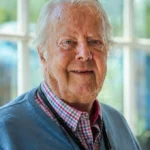
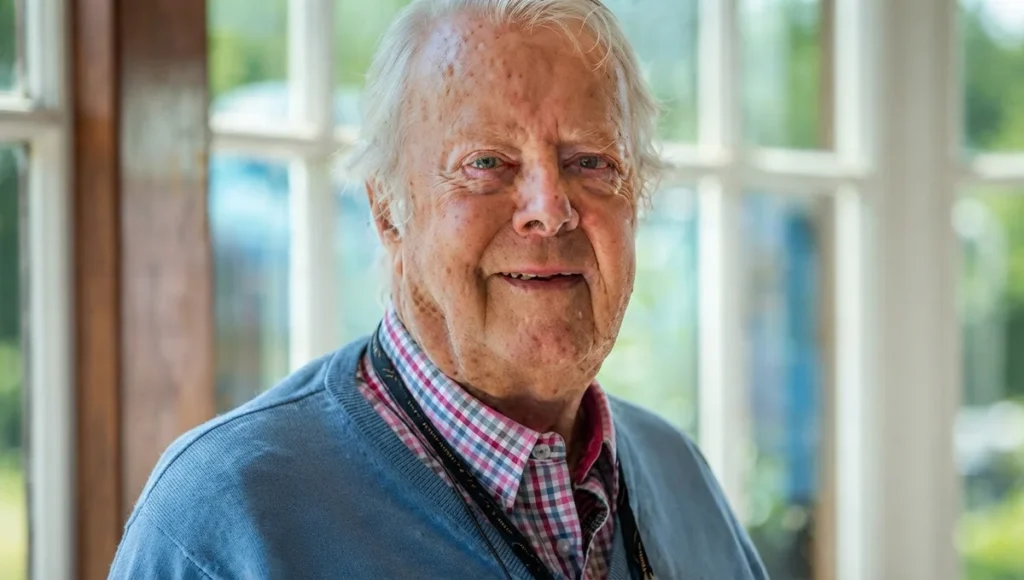
James Bond movies have lost one of the key behind-the-scenes filmmakers who helped shape the franchise’s classic era. John Grover, the British film editor who worked on six Bond films, has died aged 87.
Grover died Monday, according to the British Film Editors organization. He spent decades working behind the camera and built a career that included major productions far beyond the 007 franchise.
For Bond fans, however, his name remains closely connected to six films that span the Roger Moore and Timothy Dalton eras.
The Six James Bond Movies John Grover Worked On
Grover’s Bond career began with The Spy Who Loved Me in 1977. He then continued with Moonraker, For Your Eyes Only, Octopussy, The Living Daylights and Licence to Kill.
His role changed as his experience grew. He started in the editing department before taking on larger responsibilities, eventually becoming the editor on several of the franchise’s major films.
| James Bond Movie | Year | Grover’s Role |
|---|---|---|
| The Spy Who Loved Me | 1977 | Assistant Editor |
| Moonraker | 1979 | Assembly Editor |
| For Your Eyes Only | 1981 | Editor |
| Octopussy | 1983 | Supervising Editor |
| The Living Daylights | 1987 | Editor |
| Licence to Kill | 1989 | Editor |
That six-film run gave Grover a unique place in Bond history.
He worked on four Roger Moore films before helping shape Timothy Dalton’s first two appearances as 007.
Grover Helped Cut One of Bond’s Most Famous Openings
One of Grover’s most memorable Bond assignments came with The Spy Who Loved Me.
He worked on the film’s spectacular pre-credit sequence, which ends with Bond skiing toward the edge of a mountain before making a dramatic parachute jump.
The sequence became one of the franchise’s signature moments.
Grover later recalled waiting for footage from the difficult shoot. Severe weather delayed filming, but the production eventually captured the famous jump during a brief window of suitable conditions.
His work on the sequence highlights what made editing Bond films so demanding. The cutting room had to turn complicated stunt footage, music and action into a sequence that felt seamless on screen.
Grover later identified The Spy Who Loved Me as his favorite Bond film.
Moonraker Pushed the Editing Team to the Limit
Grover faced another major challenge on Moonraker.
Editing started while the movie was still being filmed and continued for about 10 months. The final work reportedly finished only a day before the premiere.
The process involved assembling the picture, tightening the material and waiting for large amounts of optical effects footage.
Grover later recalled that the tightening process alone lasted six to eight weeks, with the team working seven days a week.
At the time, editors worked with physical film rather than modern digital systems. That made large-scale productions like Bond particularly demanding.
Why Grover Had Strong Opinions About Film Editing
Grover also became known for his views on how technology changed film editing.
In a later interview, he argued that digital editing made it much easier to save multiple versions of a scene. In his view, that convenience could make editors less decisive because they could always return to an earlier version.
He also believed some modern movies were being cut too quickly and relied too heavily on visual gimmicks.
His comments offer an interesting look at the transition from traditional film editing to digital filmmaking.
For Grover, editing was not simply about putting shots together. It was about making decisions that controlled the rhythm and impact of a movie.
His Career Went Far Beyond James Bond
Although Bond became one of the defining parts of his career, Grover worked on many other major productions.
His credits included Lifeforce, The Sea Wolves and Jim Henson’s Labyrinth. He also worked in the editing department on Stanley Kubrick’s 2001: A Space Odyssey.
Labyrinth held a particularly special place for Grover. He later called it his favorite film among the productions he had worked on.
His wider career shows why his contribution cannot be reduced to the Bond franchise alone.
He worked across science fiction, fantasy, adventure and television while remaining part of an era when editors physically handled film to construct a finished movie.
Why John Grover’s Bond Legacy Stands Out
Editors rarely become household names, but their work can define how audiences experience a movie.
That was especially true for the Bond films Grover worked on.
His six-film run covered some of the franchise’s biggest changes. Roger Moore’s era was moving toward its conclusion, while Timothy Dalton introduced a different interpretation of 007.
Grover helped connect those periods from the editing room.
His work also came during a period when Bond productions relied heavily on practical stunts, physical effects and large-scale location filming. Turning that footage into a coherent cinematic experience required careful editing.
A Lasting Behind-the-Scenes Legacy
John Grover spent most of his career away from the spotlight.
He did not play James Bond. He did not direct the movies. But his work helped determine what audiences ultimately saw when those films reached theaters.
That contribution remains visible every time fans revisit The Spy Who Loved Me, Moonraker, For Your Eyes Only, Octopussy, The Living Daylights or Licence to Kill.
Grover’s death at 87 marks the loss of a filmmaker whose career stretched across decades and whose work became part of one of cinema’s most enduring franchises.
For James Bond movies, his legacy is not found in front of the camera. It is in the cuts, pacing, action and storytelling that helped turn hours of footage into the films audiences remember.
You should also read the article about Sophia Bush and Ashlyn Harris Secretly Married Last Year and
Did Ari Emanuel Drop Meghan Markle? What We Know

Faizullah Baig
Entertainment & Digital Culture Writer at WordPlay2018
Faizullah Baig is a writer at WordPlay2018 covering entertainment, celebrity news, movies, television, pop culture, and digital trends.
His work focuses on explaining current entertainment stories in a clear and reader-friendly way, with attention to the details behind trending headlines.
Areas of Coverage
Faizullah primarily covers:
Celebrity news and profiles
Movies and television
Entertainment industry developments
Celebrity relationships and public appearances
Trending pop-culture stories
Digital culture and online trends
Editorial Approach
Faizullah aims to distinguish confirmed information from reports, estimates, and speculation. For developing stories, information may be updated as additional reliable details become available.
Articles published under his name are intended to provide readers with useful context rather than simply repeat a headline or social-media claim.
Contact
For corrections, questions, or feedback about an article published under Faizullah Baig’s name, please contact:
Publication: WordPlay2018
Role: Entertainment & Digital Culture Writer